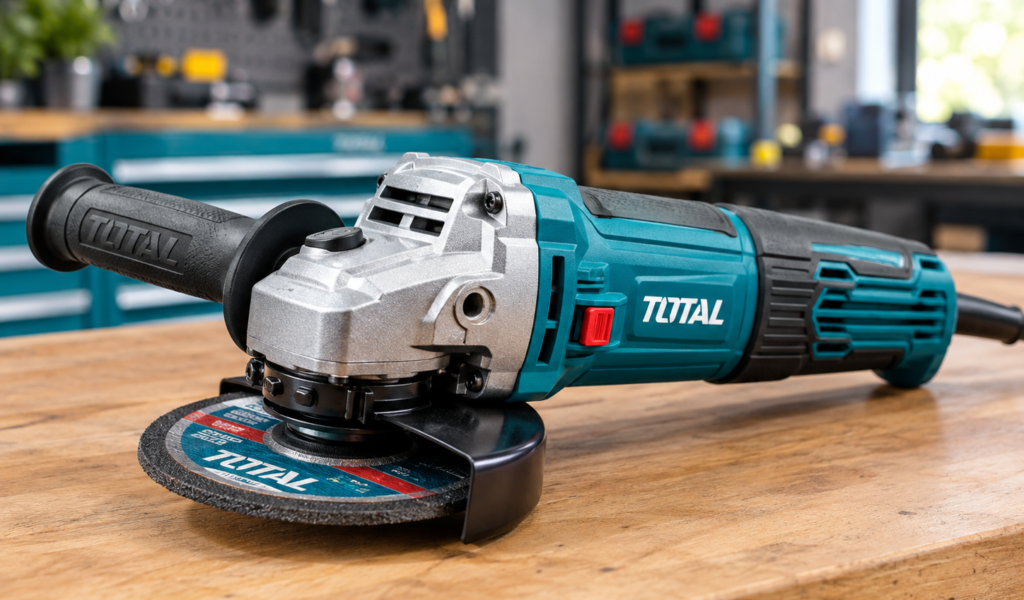
An angle grinder is one of the most versatile and hard-working tools in any workshop or construction site. From cutting metal and stone to grinding welds and polishing surfaces, it handles heavy-duty tasks every day. However, constant exposure to dust, debris, and intense friction can wear down even the toughest machine.
Proper and regular angle grinder maintenance not only extends your tool’s lifespan but also ensures maximum performance and worker safety. In this guide, we will cover essential maintenance practices to keep your grinder running like new for years.
Why Regular Maintenance Matters
Neglecting your power tools leads to frequent breakdowns, poor performance, and expensive replacement costs. Taking a few minutes after every job to inspect and clean your grinder offers several benefits:
- Prevents Motor Burnout: Dust accumulation in the motor vents is the leading cause of overheating.
- Ensures Operational Safety: Loose grinding discs or damaged power cords increase the risk of job site accidents.
- Saves Money: Replacing small components like carbon brushes or bearings is far cheaper than buying a new grinder.
- Maintains Peak Efficiency: A well-lubricated gearbox delivers smooth torque without loss of power.
Key Angle Grinder Maintenance Steps:
1. Clean the Air Vents and Motor Housing Regularly
Dust and abrasive particles are the biggest enemies of any power tool motor. During operation, the cooling fan pulls air—and dust—into the housing.
- Action Step: After each use, use a dry cloth or compressed air to blow out dust from the intake vents. Never use water or liquid cleaners inside the motor housing.
2. Inspect and Replace Carbon Brushes
Carbon brushes transfer electrical current to the motor’s rotating armature. Over time, friction causes them to wear down.
- Action Step: Check your carbon brushes every 50 to 60 hours of use. If the brush is worn down to less than 1/4 inch (6mm), replace both brushes immediately to prevent armature damage.
3. Check the Gearbox Lubrication
The high-speed bevel gears inside the front gear housing require proper grease lubrication to prevent heat and metal friction.
- Action Step: Re-grease the gear housing every 3 to 6 months depending on heavy-duty usage. Use high-quality lithium grease designed for power tools.
4. Inspect Discs and Mounting Flanges Before Every Use
A cracked or damaged grinding disc can shatter at high speeds (up to 11,000 RPM), posing a critical safety hazard.
- Action Step: Inspect discs for cracks, chips, or warping before turning on the power. Ensure the mounting flange and locking nut are tight and fitted correctly.
5. Check the Power Cord and Switch Mechanism
A damaged cord or sticky power switch can disrupt power flow and cause electrical shocks or unexpected startups.
- Action Step: Regularly inspect the cord for cuts or exposed wires. Keep the trigger or slider switch clean from grit so it snaps off instantly when released.
Angle Grinder Care Quick Checklist
| Component | Maintenance Frequency | Key Action |
|---|---|---|
| Air Vents | After every use | Blow clean with compressed air |
| Grinding Disc | Before every use | Inspect for cracks or chips |
| Carbon Brushes | Every 50 hours | Replace when worn below 1/4 inch |
| Gear Housing | Every 3–6 months | Replenish grease lubricant |
| Power Cable | Monthly | Check for cuts or insulation damage |
Taking good care of your angle grinder takes minimal effort but delivers long-term reliability. By cleaning air vents, checking carbon brushes, and using quality discs, you ensure smooth cutting performance every single time.
Looking for high-performance angle grinders, replacement discs, or original spare parts? Check out the genuine power tools collection at NSB Tools today!