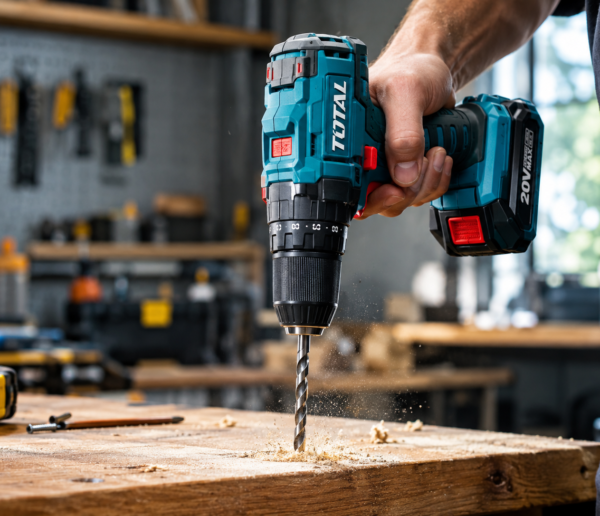
Cordless power drills offer unmatched convenience, portability, and power on both home improvement projects and heavy-duty construction sites. However, the heart of any cordless tool is its lithium-ion battery pack. Without proper care, expensive drill batteries can lose their charge capacity, degrade quickly, or fail prematurely.
Taking a proactive approach to cordless drill battery care ensures long runtimes, prevents unexpected project delays, and saves you money on replacement batteries. In this guide, we break down essential maintenance habits and safety practices to keep your batteries performing at their peak.
Why Lithium-Ion Battery Care Matters
Modern power tools rely primarily on Lithium-Ion (Li-Ion) batteries because they are lightweight, offer high energy density, and have no “memory effect.” Despite their durability, lithium-ion cells are sensitive to heat, extreme cold, overcharging, and deep discharge cycles.
Proper battery maintenance delivers key advantages:
- Maximized Runtime: Get more holes drilled and screws driven per full charge.
- Cost Savings: Avoid paying for expensive replacement battery packs every year.
- Consistent Power Output: Prevent sudden voltage drops during heavy workload demands.
- Job Site Safety: Protect your workshop from battery swelling, leakage, or thermal overheating.
Essential Rules for Cordless Drill Battery Care:
1. Avoid Total Battery Discharge
One of the most common mistakes is running a drill battery down to 0% until the tool stops completely. Deep discharge places heavy stress on lithium-ion internal cells.
- Best Practice: Recharge your battery as soon as you notice a significant drop in power or tool speed. Keep the charge level between 20% and 80% for optimal longevity.
2. Protect Batteries from Extreme Temperatures
Extreme heat is the single biggest killer of power tool batteries. Leaving a battery in direct sunlight or inside a hot car can permanently damage the battery chemistry.
- Best Practice: Always store and charge batteries in a dry, climate-controlled environment between 10°C and 25°C. Never charge a battery that feels hot immediately after heavy use; let it cool down first.
3. Use the Official Original Charger
Using cheap, non-branded, or incompatible chargers can send incorrect voltage levels into the battery, damaging the internal electronic management board.
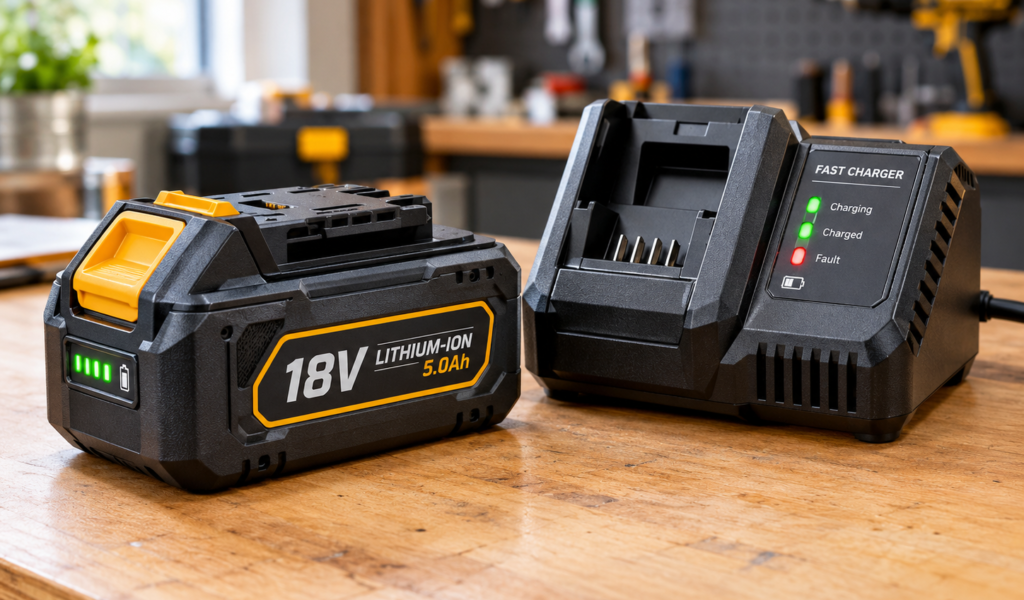
- Best Practice: Only charge your tool batteries using official brand chargers equipped with built-in thermal overload protection and auto shut-off features.
4. Proper Storage for Long Periods
If you aren’t planning to use your cordless drill for several weeks or months, storing the battery fully charged or completely drained will degrade its health.
- Best Practice: Store batteries at around 40% to 50% charge in a cool, moisture-free storage box. Check and top up the charge every few months.
Battery Care Quick Checklist
| Maintenance Factor | Ideal Practice | What to Avoid |
|---|---|---|
| Charge Level | Recharge at 20% capacity | Draining down to 0% |
| Temperature | Cool, dry place (10°C–25°C) | Direct sunlight or hot vehicles |
| Charger Type | Original brand fast chargers | Uncertified third-party chargers |
| Storage Condition | 50% charged in storage case | Storing completely empty or full |
A well-maintained power tool battery is an investment that pays off in uninterrupted workflow and long-term reliability. By keeping your batteries cool, using the right charger, and avoiding total discharge, you double their lifespan and get maximum efficiency out of your tools.
Looking for original lithium-ion replacement batteries, fast chargers, or high-torque cordless drills? Explore the genuine cordless tools collection at NSB Tools today!