A power drill is one of the most essential tools in any workspace. Whether you are hanging a picture frame at home, assembling furniture, or working on a heavy-duty construction site, having the right drill makes your job faster, easier, and much safer.
With so many options available—cordless, corded, hammer drills, and impact drivers—choosing the right one can feel confusing.
In this easy guide, we will break down everything you need to know so you can pick the perfect power drill for your specific needs and budget.
1. Understand the Main Types of Power Drills
Before buying, it helps to know the three main types of drills used for home and professional work:
A. Standard Power Drill / Driver
- Best For: Everyday home repairs, drilling into wood, plastic, or light metal, and driving screws.
- Why Choose It: It is lightweight, versatile, and very easy for beginners to handle.
B. Hammer Drill
- Best For: Heavy-duty construction, drilling into concrete, brick, or masonry.
- Why Choose It: In addition to spinning, it delivers a rapid hammering action to break through hard stone and cement effortlessly.
C. Impact Driver
- Best For: Driving large screws and long fasteners quickly into tough materials.
- Why Choose It: It delivers high rotational torque (power) without straining your wrist or stripping screw heads.
2. Cordless vs. Corded Drills: Which Is Better?
| Feature | Cordless Drill (Battery Powered) | Corded Drill (Electric Cable) |
| Mobility | High (Work anywhere, no cords) | Limited (Needs a wall power outlet) |
| Power | High (Varies by battery voltage) | Continuous, unlimited power |
| Weight | Slightly heavier (due to battery) | Lighter in hand |
| Best Used For | Everyday home tasks & high-reach jobs | Long, non-stop heavy construction |
- Our Recommendation: For home users and flexible site work, a Cordless Drill is usually the best choice. For continuous, heavy-duty industrial work where power cannot drop, choose a Corded Drill.
3. Key Technical Features to Look For
When checking the specifications on a drill, keep these simple key terms in mind:
Voltage (Power Rating)
- 12V to 16V: Perfect for light household tasks, assembling furniture, and DIY crafts.
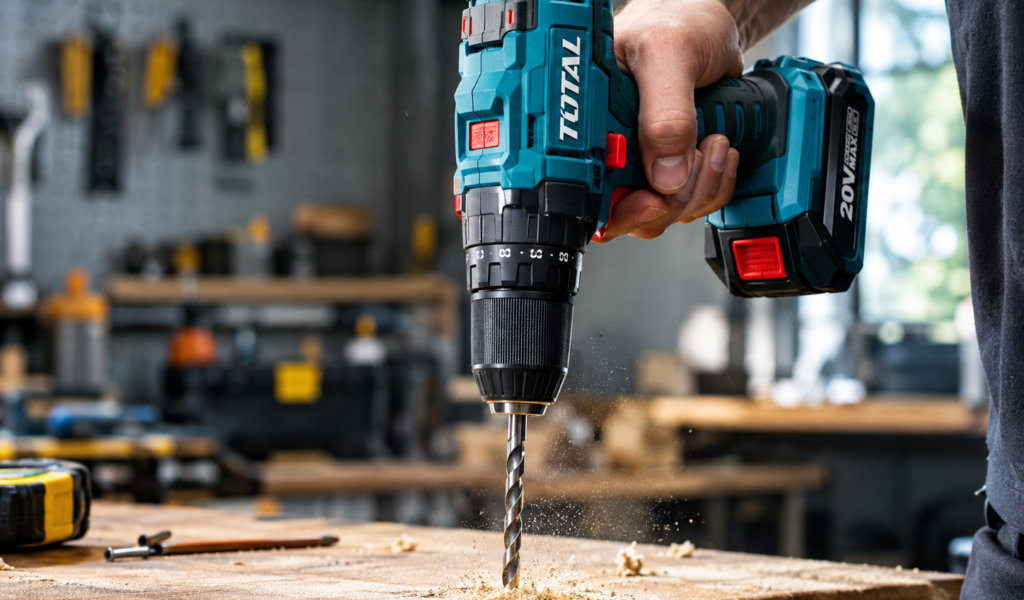
- 18V to 20V+: Recommended for tough professional jobs, heavy wood, metal, and light concrete.
Chuck Size (Bit Holder)
- 3/8-inch (10mm): Standard for most home drills and light-duty bits.
- 1/2-inch (13mm): Standard for heavy-duty industrial drills and larger drill bits.
Brushless Motor Technology
Whenever possible, choose a drill with a Brushless Motor. Brushless motors provide:
- More battery runtime.
- Less heat generation.
- Longer tool lifespan compared to older brushed motors.
4. Quick Checklist Before You Buy
- Weight and Grip: Hold the drill (or check its ergonomics). Make sure it feels comfortable in your hand.
- Speed Control (RPM): Look for a drill with dual-speed settings (e.g., low speed for driving screws, high speed for drilling holes).
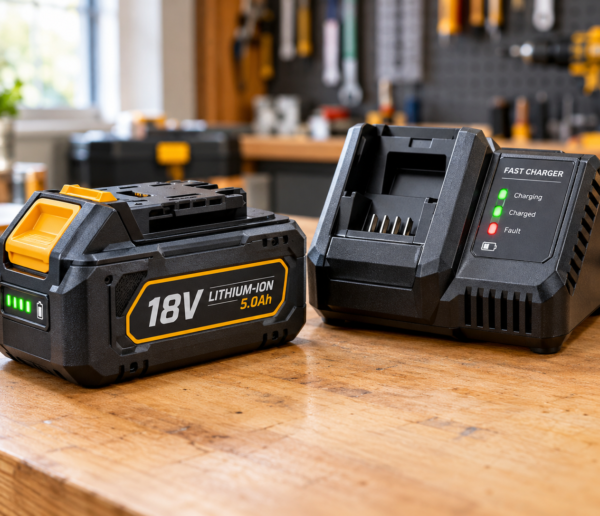
- Battery & Charger: If buying cordless, ensure it comes with a lithium-ion battery and a fast charger.
5. Important Drill Safety Rules
- Always wear Safety Glasses to protect your eyes from flying dust and debris.
- Secure your workpiece with clamps so it does not slide while drilling.
- Check your drill bit before starting—never use dull or bent bits.
- Keep firm control with both hands when using high-torque or hammer drills.
Ready to Upgrade Your Tool Kit?
At NSB Tools, we supply 100% genuine power drills, cordless drivers, and heavy-duty machinery with official brand warranties across Bangladesh.
👉 Check Out Our Weekly Best Deals on Hardware Tools